

In recent days, alongside growing public attention surrounding a case of violence against children, there has also been an alarming increase in publications that may reveal the identities of the affected children or harm their recovery process.
The Child Protection Network expresses deep concern regarding the unprofessional and dangerous approaches observed in the coverage of violence against children.
Across various platforms, posts and videos are being circulated in which attempts are made to interview children’s relatives, visit the family’s residence, question neighbors, or publish information that may indirectly reveal the children’s identities. Some publications even mention parents’ workplaces, community-related details, or other identifying information that could contribute to the recognition of the children.
This is not only a violation of professional ethics, but it can also seriously undermine the child’s recovery and protection process.
It is especially dangerous when public curiosity or the desire for views becomes the reason for actions carried out at the expense of a child’s safety and dignity.
This is unacceptable.
Reporting on cases of sexual violence against children requires the highest level of sensitivity, professional responsibility, and prioritization of the child’s best interests. The Lanzarote Convention, ratified by the Republic of Armenia, obliges the state and professionals to ensure the protection of the privacy, identity, and dignity of children affected by violence.
In such cases, any information that directly or indirectly identifies a child can lead to secondary harm, stigmatization, intimidation, and further psychological trauma.
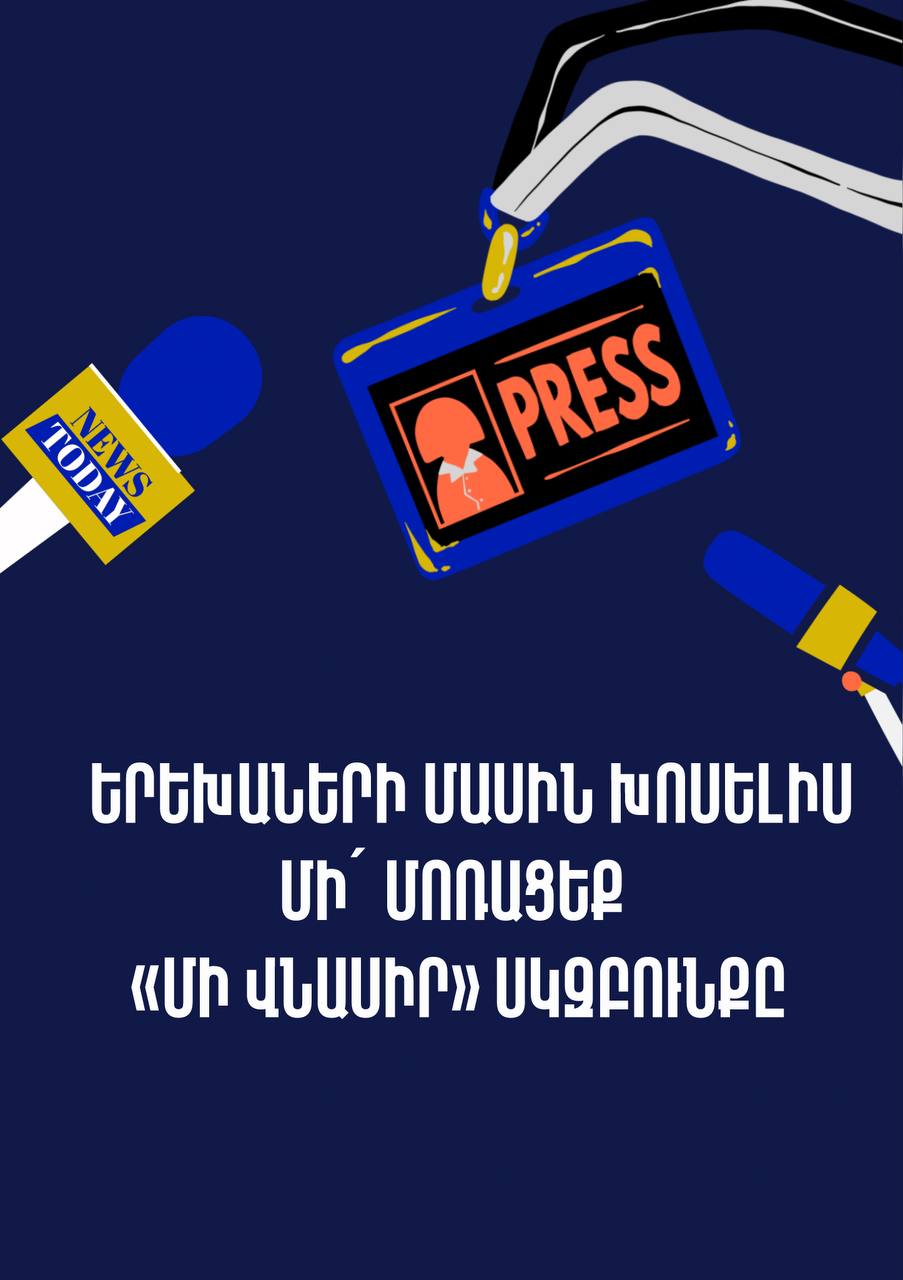
We call on journalists, bloggers, media outlets, and all individuals active on social platforms to be guided by the “Do No Harm” principle.
A child’s story should never become material for public consumption.
If you are truly concerned about child protection, do not turn children’s stories into sensational content.
Protecting a child also means protecting their privacy, dignity, and safety by refraining from publishing details that could reveal their identity or deepen the harm already caused.